Sidewalks, Walkways & Flatwork
Professional concrete flatwork installation for safe, attractive pathways and pedestrian surfaces.
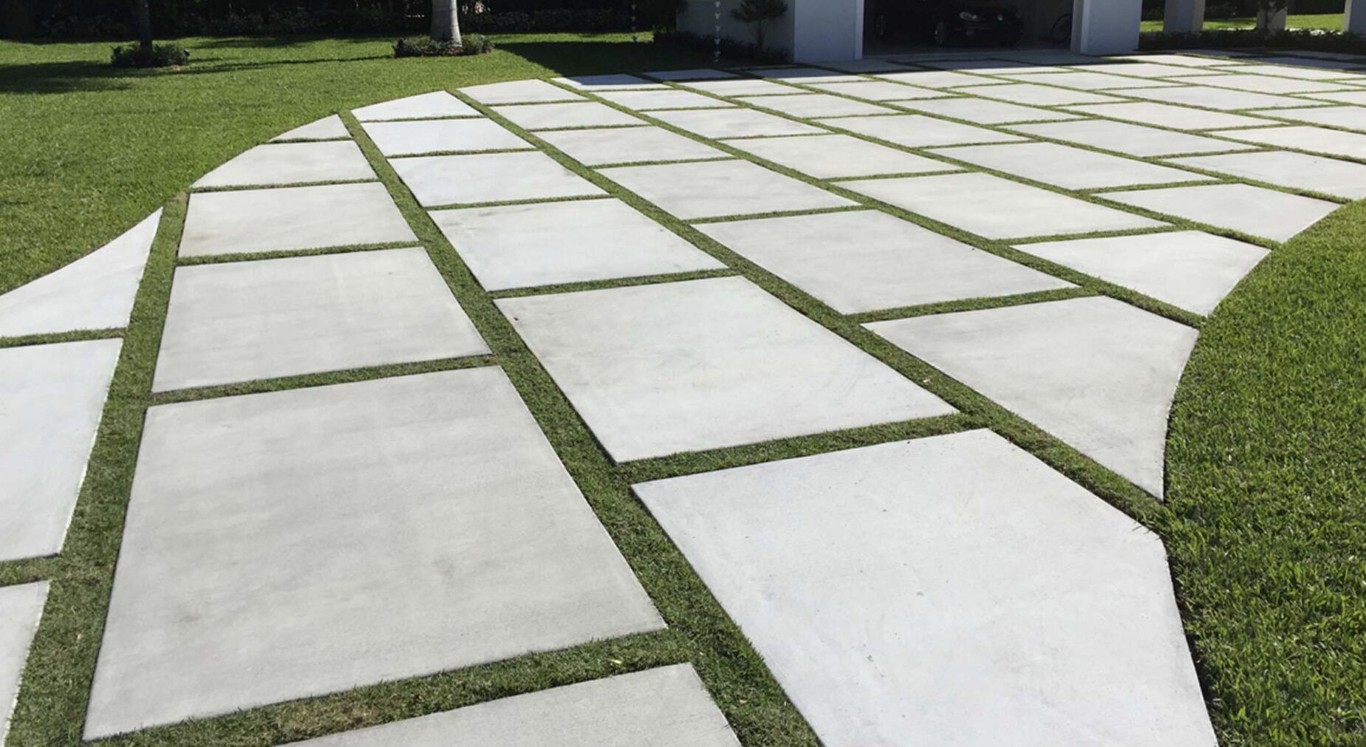
Connecting Your Property with Quality Concrete
Sidewalks and walkways do more than just get you from point A to point B. They define your property's flow, create safe paths for foot traffic, and add structure to your landscaping. A well-designed walkway guides visitors naturally to your front door. Side paths connect your house to your garage, garden, or backyard. These concrete surfaces see daily use and need to handle it without becoming trip hazards or eyesores.
In Bell Gardens, we install hundreds of feet of sidewalks and walkways every year. Some are simple straight paths that prioritize function. Others curve through landscaping and feature decorative treatments that complement the home. Whether you need to replace a crumbling public sidewalk, add a garden path, or create accessibility ramps, concrete flatwork gives you durable surfaces that require minimal maintenance.
The term flatwork covers all horizontal concrete surfaces that aren't structural. This includes sidewalks, walkways, paths, curbing, and even small pads for equipment or storage. We handle residential and commercial flatwork, from front walkways at homes to pedestrian areas around businesses. Every project starts with understanding how the space will be used and making sure the concrete work enhances both function and appearance.
Types of Walkways and Flatwork We Install
Different areas of your property call for different approaches to concrete work. Here's how we handle the most common flatwork projects.
Public Sidewalks
The sidewalk along the street in front of your home technically belongs to the city, but as the property owner you're responsible for keeping it in good repair. Cracked or uneven sidewalks create liability issues if someone trips and gets hurt. Bell Gardens has specific requirements for sidewalk dimensions, slopes, and materials. We know the local codes and can handle permits if needed. We'll remove your old damaged sidewalk, prepare the base properly, and pour new concrete that meets all specifications. The new sidewalk needs to match the height of neighboring sections for smooth transitions.
Front Entry Walkways
Your front walkway makes a first impression on everyone who visits. A basic straight path gets the job done, but a well-designed walkway adds character to your home. We can create curved paths that feel more inviting than straight lines. Different widths change the feel too. A narrow 3-foot path works fine for most homes, but widening to 4 or 5 feet allows two people to walk side by side comfortably. We make sure the walkway slopes gently away from your house for drainage and add steps where elevation changes require them.
Garden Paths and Side Yards
Paths through your landscaping or along the side of your house serve practical purposes while adding visual interest to your yard. These paths can be narrower than main walkways, typically 2 to 3 feet wide. We often use decorative concrete finishes for garden paths since they're viewed more closely than driveways. Stepping stone patterns, colored concrete, or exposed aggregate all work well. In shaded areas or near sprinklers, we add texture to prevent slipping when the concrete gets wet.
Accessibility Ramps
If you or a family member uses a wheelchair or walker, concrete ramps provide safe access to your home. Accessibility ramps must meet specific slope requirements, typically no steeper than 1 inch of rise for every 12 inches of length. We calculate the correct dimensions, build forms, and pour ramps that meet ADA guidelines. Handrails can be added, and we make sure the surface texture provides traction without being too rough. These ramps also help when moving furniture or wheeling heavy items in and out of your home.
Concrete Curbing and Edging
Concrete curbs define the edges of driveways, separate lawn from planted areas, and guide water flow. We pour curbs in place using forms or slip-form equipment. Decorative curbing can incorporate colors and patterns that complement other concrete work on your property. Mower curbs sit flush with the lawn so you can mow over them easily. Taller curbs create more prominent borders and help contain mulch or gravel.
Installation Standards for Lasting Flatwork
Flatwork might look simple, but doing it right requires attention to details that aren't visible in the finished product. Here's what goes into every walkway and sidewalk we build.
- •Proper thickness: Sidewalks and walkways need at least 4 inches of concrete thickness to support foot traffic. Areas that might see occasional vehicle traffic, like the apron where your walkway meets your driveway, get 5 to 6 inches.
- •Stable base: We excavate to proper depth and compact the soil. A 4-inch layer of gravel base provides drainage and prevents settling. Skipping this step leads to cracked, sunken concrete within a few years.
- •Control joints: We cut or form control joints every 4 to 5 feet along the walkway. These planned weak points guide where cracks will form so they stay straight and manageable instead of wandering randomly across your concrete.
- •Proper slope: All flatwork needs to slope slightly for drainage, typically a quarter inch per foot. This gentle grade isn't noticeable when walking but keeps water from pooling on the surface.
- •Textured finish: We broom the surface or add texture to prevent slipping when wet. This is especially important for ramps, steps, and any walkway that might be used in rain or morning dew.
- •Clean edges: We take time to finish the edges neatly where concrete meets landscaping or other surfaces. This attention to detail makes the difference between professional work and amateur results.
If you're planning multiple concrete projects, we can coordinate walkway installation with other concrete work around your Bell Gardens property to ensure everything flows together visually and functionally.