Concrete Leveling
Lift and level sunken concrete without the cost and mess of full replacement.
Fixing Sunken Concrete Without Replacement
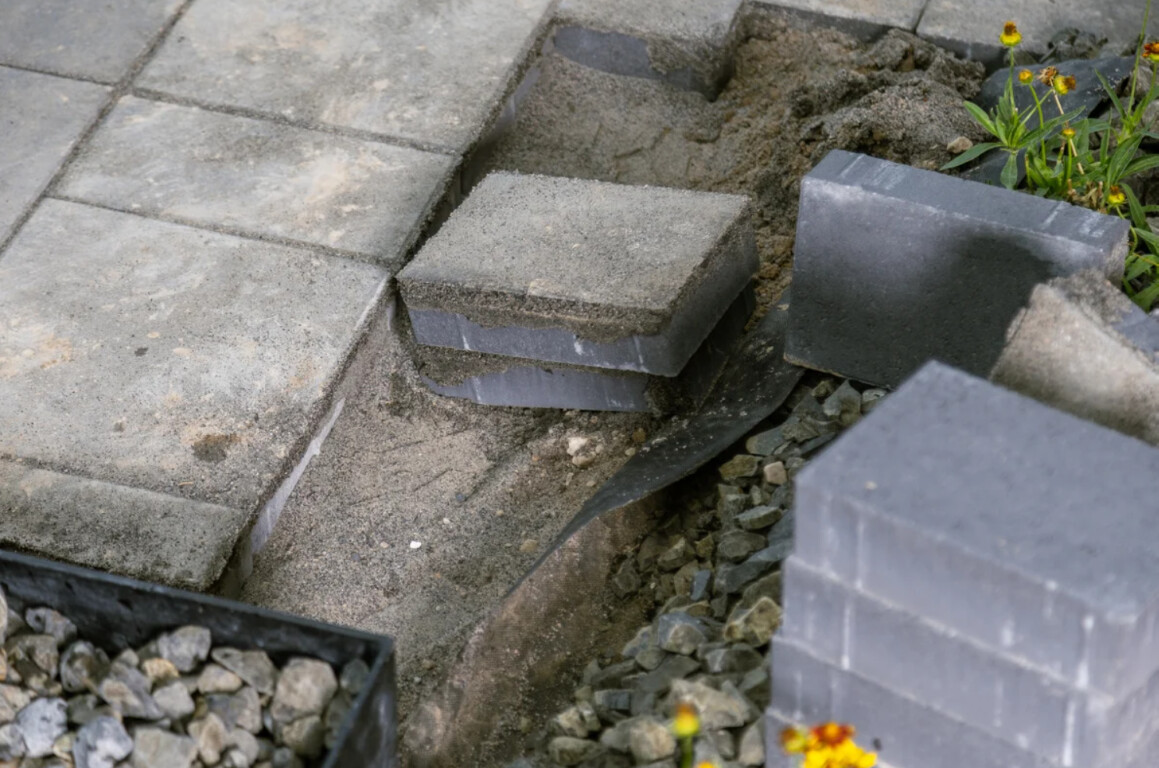
When sections of your driveway, sidewalk, or patio sink and become uneven, you don't always need to tear everything out and start over. Concrete leveling, also called slab jacking or mudjacking, lifts settled concrete back to its original position. This process costs a fraction of replacement and takes just hours instead of days. You get a level surface without the hassle of demolition, new concrete, and waiting for it to cure.
Uneven concrete creates more than just an eyesore. Trip hazards can lead to injuries and liability concerns. Water pools in low spots instead of draining properly, which accelerates deterioration. Sunken sections near your foundation can direct water toward your house instead of away from it. In Bell Gardens, where we see a lot of clay soil that shifts with moisture changes, settling concrete is a common problem. The good news is that most sunken slabs can be lifted and leveled if the concrete itself is still in good condition.
We've leveled thousands of square feet of concrete throughout the area. From front walkways with trip hazards to entire driveways that have settled unevenly, concrete leveling provides a permanent fix at a reasonable cost. The lifted concrete looks the same as it did before it sank, and you can use the surface within hours of completion.
How Concrete Leveling Works
The concrete leveling process is straightforward and much less disruptive than replacement. Here's what happens when we lift your settled concrete.
Inspection and Assessment
First, we evaluate your concrete to make sure leveling is the right solution. The slabs need to be structurally sound without major cracks or deterioration. We check what caused the settling so we can address underlying issues. Sometimes poor drainage washed away soil underneath. Other times the base wasn't compacted properly during installation. Tree roots can also cause voids under concrete. We identify the cause and make sure leveling will provide a lasting fix.
Drilling Access Holes
We drill small holes through the sunken concrete, typically about 1 to 2 inches in diameter. These holes give us access to the void beneath the slab. The number and placement of holes depends on the size of the area and how much it has sunk. We space holes strategically to lift the concrete evenly across the entire section. Once the job is complete, we patch these holes so they blend with the surrounding concrete.
Injecting Lifting Material
We pump material under the concrete through the access holes. Modern concrete leveling uses polyurethane foam that expands as we inject it. The expanding foam fills voids, compacts loose soil, and lifts the concrete slab from below. We control the amount of material precisely to lift the slab to exactly the right level. The foam hardens within minutes, creating a stable base that supports the concrete permanently. This foam is much lighter than traditional mudjacking materials, which puts less stress on the soil underneath.
Some contractors still use older mudjacking methods that pump a heavy slurry of mud and cement. We prefer polyurethane foam because it's lighter, expands more predictably, and cures faster. The foam also won't wash away if water flows under the slab later. It creates a water-resistant barrier that actually improves the situation underground.
Final Leveling and Cleanup
As we inject the foam, we monitor the slab carefully and stop lifting at exactly the right height. We want the repaired section to match adjacent concrete perfectly. Once lifted, we patch the access holes with concrete that matches your existing surface. The patches are small and blend in well, especially after a few weeks of weathering. We clean up any spillage and you're left with level concrete ready to use. Most customers can walk on the surface immediately and drive on it the same day.
When Concrete Leveling Makes Sense
Concrete leveling works great in many situations, but it's not the right solution for every problem. Here's when leveling is your best option and when you should consider other approaches.
- •Good candidates for leveling: Concrete that has settled but remains structurally sound. Slabs with minor hairline cracks. Uneven sections creating trip hazards or drainage issues. Concrete that tilts toward your foundation. Areas where you want to avoid landscape damage from demolition.
- •Poor candidates for leveling: Concrete with extensive cracking or crumbling. Slabs that are broken into multiple pieces. Sections where soil continues to wash away actively. Very old concrete at the end of its lifespan. Areas settling due to ongoing issues like active tree roots or water main leaks.
- •Cost comparison: Leveling typically costs 30 to 50 percent of what replacement would cost. For a driveway section that would cost $2,000 to replace, leveling might run $600 to $1,000. The exact savings depend on the size of the area and how much it needs to be lifted.
- •Timeline advantage: Leveling takes hours while replacement takes days or weeks. You avoid demolition dust, noise, and debris. Your landscaping stays intact. There's no waiting weeks for new concrete to cure before you can use it.
We'll honestly assess your situation and recommend leveling only when it makes sense. Sometimes replacement is the better long-term solution, and we'll tell you that upfront. Our goal is to help you make the right decision for your property and budget.