Concrete Steps & Stairs
Safe, durable concrete steps and stairways that connect different levels of your property.
Building Steps That Last and Keep You Safe
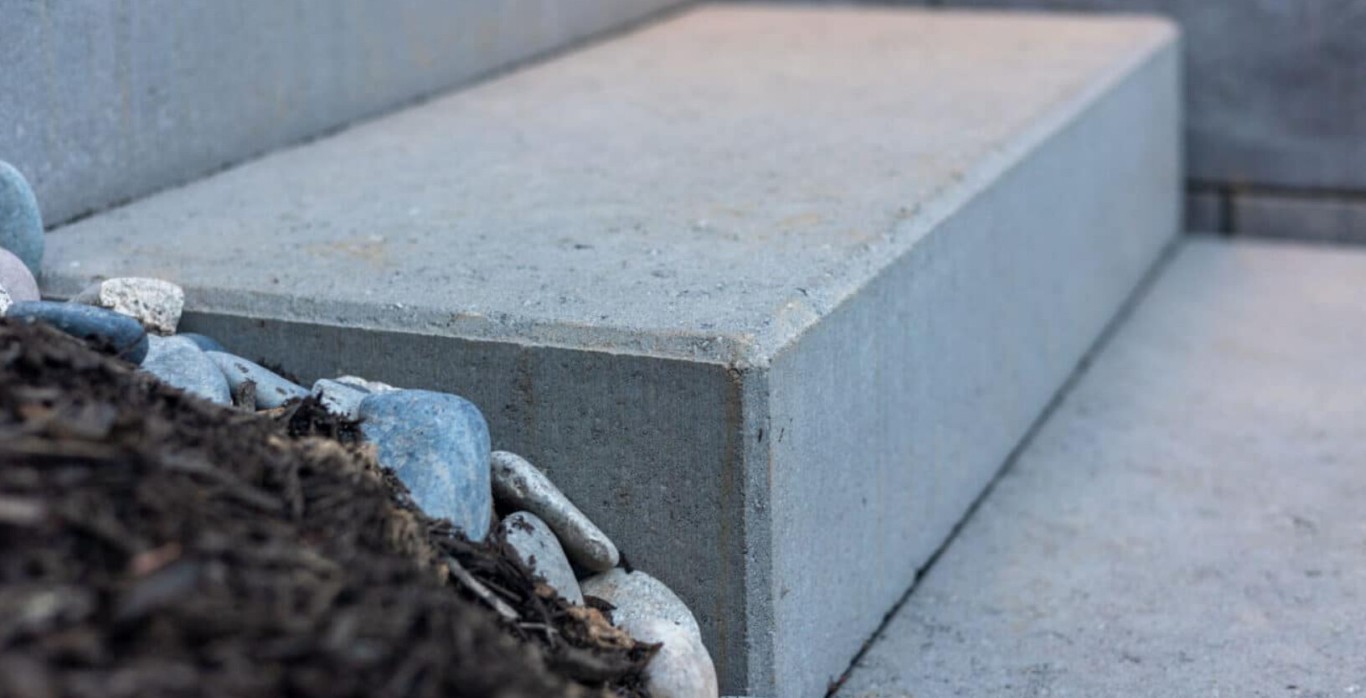
Concrete steps handle one of the most demanding jobs on your property. They carry foot traffic constantly, endure weather extremes, and must provide safe passage between different elevations. Whether you need front entry steps, stairs connecting your house to the yard, or steps integrated into your landscaping, concrete delivers the strength and longevity you need. Well-built concrete stairs can last 50 years or more with minimal maintenance.
Safety is the top priority with any stairway project. Steps must have the right dimensions for comfortable, secure use. Risers that are too tall or treads that are too narrow create trip hazards. Surfaces need proper texture to prevent slipping when wet. Handrails might be required depending on the height and location. In Bell Gardens, we build steps that meet building codes while matching your property's style. From simple utility stairs to grand entrance staircases, the construction principles remain the same: proper planning, solid foundation, and quality workmanship.
We've installed concrete steps at homes throughout the area. Front porches, backyard decks, pool areas, and hillside properties all need stairs to navigate elevation changes safely. New steps improve accessibility and curb appeal. Replacing damaged or poorly built stairs eliminates hazards and makes your property more functional. Whether you're building new or replacing old steps, concrete gives you a permanent solution that won't rot, warp, or require constant repairs like wood stairs would.
Designing Safe and Comfortable Stairs
Building code requirements ensure stairs are safe, but good design goes beyond just meeting minimums. Here's what makes concrete steps work well.
Riser and Tread Dimensions
The riser is the vertical part of each step, and the tread is the horizontal surface you walk on. These dimensions determine how comfortable and safe your stairs feel. Building codes limit risers to a maximum height, typically 7 to 8 inches. Treads need to be at least 10 to 11 inches deep. The exact requirements vary by location and whether stairs are exterior or interior. More importantly, all risers must be the same height and all treads the same depth throughout a flight of stairs. Inconsistent step dimensions cause people to trip because their rhythm gets thrown off.
We calculate riser height by dividing the total elevation change by the number of steps. If you need to go up 42 inches, six steps at 7 inches each work perfectly. The tread depth depends partly on available space, but deeper treads feel more stable and comfortable. We aim for 11 to 12 inches when space allows. Outdoor stairs can have slightly different proportions than indoor stairs, but comfort and safety always come first.
Width and Landings
Stair width affects how the stairs feel to use. Narrow stairs feel cramped and don't allow two people to pass. We typically build stairs at least 36 inches wide, which accommodates one person comfortably. Widening to 48 inches or more creates a more welcoming entry and allows furniture to be carried up more easily. For stairs leading to a front door, wider is usually better because it makes your home feel more inviting.
Long flights of stairs need landings where you can pause and rest. Code usually requires a landing after a certain number of steps, typically around 12 to 15 steps maximum before a landing. Landings also help where stairs change direction. The landing needs to be at least as deep as the stairway is wide. For example, a 36-inch wide stairway needs a 36-inch deep landing. These flat spots break up the climb and provide safe rest areas.
Handrails and Safety Features
Handrails are required on stairs with more than a certain number of steps, usually three or four depending on local code. Even when not required, handrails add safety and help people with mobility challenges. We can install metal pipe railings, wood rails, or decorative options that complement your home. The handrail must be the right height and diameter for a secure grip. For stairs with open sides, you may also need guardrails or balustrades to prevent falls.
Surface texture prevents slipping. We broom-finish outdoor stairs or add a light texture so they're not slippery when wet. The nosing, which is the edge of each tread, should extend slightly past the riser but not so much that it creates a catching point. These small details make a big difference in how safe and comfortable your stairs feel every time you use them.
Building Strong Concrete Stairs
Concrete stairs require more complex forming and reinforcement than flat surfaces like walkways or patios. Here's how we ensure your stairs are built to last.
- •Solid foundation: Stairs need a concrete footing at the bottom to support the weight. The footing goes below frost depth and spreads the load to stable soil. Without proper footing, stairs can settle and pull away from the structure they're attached to.
- •Steel reinforcement: Rebar runs through concrete stairs to handle the stress of cantilevered treads and prevent cracking. We place horizontal bars along the length of the stairs and vertical bars connecting each step. The steel must be positioned correctly to do its job.
- •Precise forming: Building forms for stairs takes skill. Each step must be perfectly level front to back and perfectly positioned relative to the others. We double-check measurements before pouring because mistakes are hard to fix after concrete sets.
- •Quality concrete mix: We use a mix with the right strength rating and add air entrainment to protect against freeze-thaw damage. Stairs experience more stress than flat slabs, so the concrete quality matters even more.
- •Proper finishing: We finish each tread surface carefully to create consistent texture and appearance. Edges need to be clean and crisp. Corners must be durable enough to resist chipping from use and impact.
- •Curing protection: Fresh concrete stairs need to cure properly without being disturbed. We protect them from traffic, rain, and temperature extremes during the critical first week. Rushing this process leads to weak surfaces that deteriorate quickly.
If your stairs connect to other concrete work, we coordinate everything to create a unified look. Steps leading to a front entry can match or complement your driveway and walkway design for a polished, cohesive appearance.